Who Is Katrina Ager?
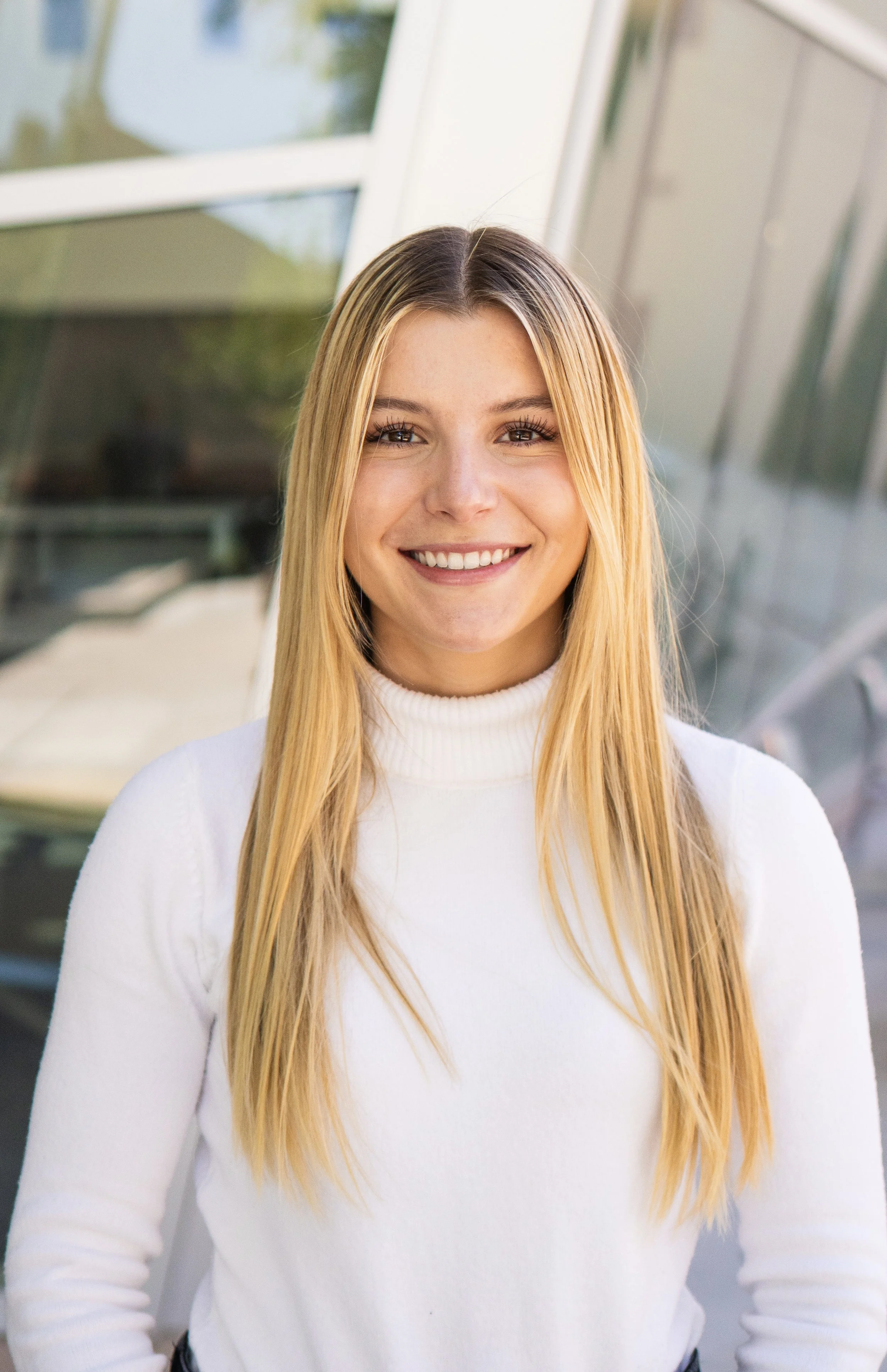
Background and Accomplishments
I am a research engineer and neuroscientist with an interest in how machine learning can be used to better understand neural dynamics, perception, behavior and emotion. I graduated with a B.S. in Neuroscience (computational track) in 2024, and have since moved to Munich, Germany to work as an engineer with the goal of deepening my experience in machine learning and AI. Alongside my research, I have a long-standing passion for sculpture and material design. My past work focuses mutli-media ceramic sculpture, with pieces inspired by emotion, bodily autonomy, feminism, and vulnerability.
I have maintained a strong academic record and a 4.00 GPA, receiving the Moeur Award upon graduating. Across multiple research labs, I have developed a broad technical skill set spanning cognitive and computational neuroscience research, machine learning/AI, biometric sensing, data analysis, and data visualization. I was featured on ASU News as a notable graduate of 2024, where I was interviewed about my academic journey, research, and motivation. Additionally, my sculpture work has been displayed at the Mesa Arts Center.
Perspective and Future direction
I began studying neuroscience out of curiosity about the human condition: how perception becomes meaning, how emotion shaped decision, and why people experience the world and interpersonal relationships so differently. Over time, I have found that many of the questions I care about most extend beyond what can be explored in a traditional research framework. Deeply committed to human rights, feminism, and equality, I aim to combine my technical training in neuroscience and machine learning with my passion for building material experiences to address and bring visibility to issues that need attention.
My goal is to design interactive systems that translate neural and biometric activity into an engaging experience that challenges perspective and deepens empathy. The information contained in the brain and body is both powerful and vulnerable, and I believe using human-computer interaction to access, interpret, and make meaning out of this information can strengthen human-to-human dialogue.