Material work
Sculpture
Ceramic and Mixed Media
Sole Contributor on Projects
Interest in Sculpture
I first fell in love with ceramic sculpture when I was 15. The continuous malleability of clay and its ever-changing nature intrigued me. I loved being able to turn a chunk of earth into a structure that carried a message. Ceramic sculpture reinforced my love for working with my hands, but also became something therapeutic where I could translate abstract emotion and concept into something physical and tactile.
Over time, I’ve realized I’m not loyal to any single medium. My work often expands beyond clay into mixed materials. I like to experiment with how each different element can sharpen the feeling, tension, or question at the center of the piece.
In the Critical Matter Group, I want to keep expanding how I build. Ceramic has been a primary base in my art, but my interest is more so attached to creating an experience and inspiring dialogue rather than working within a particular material domain.
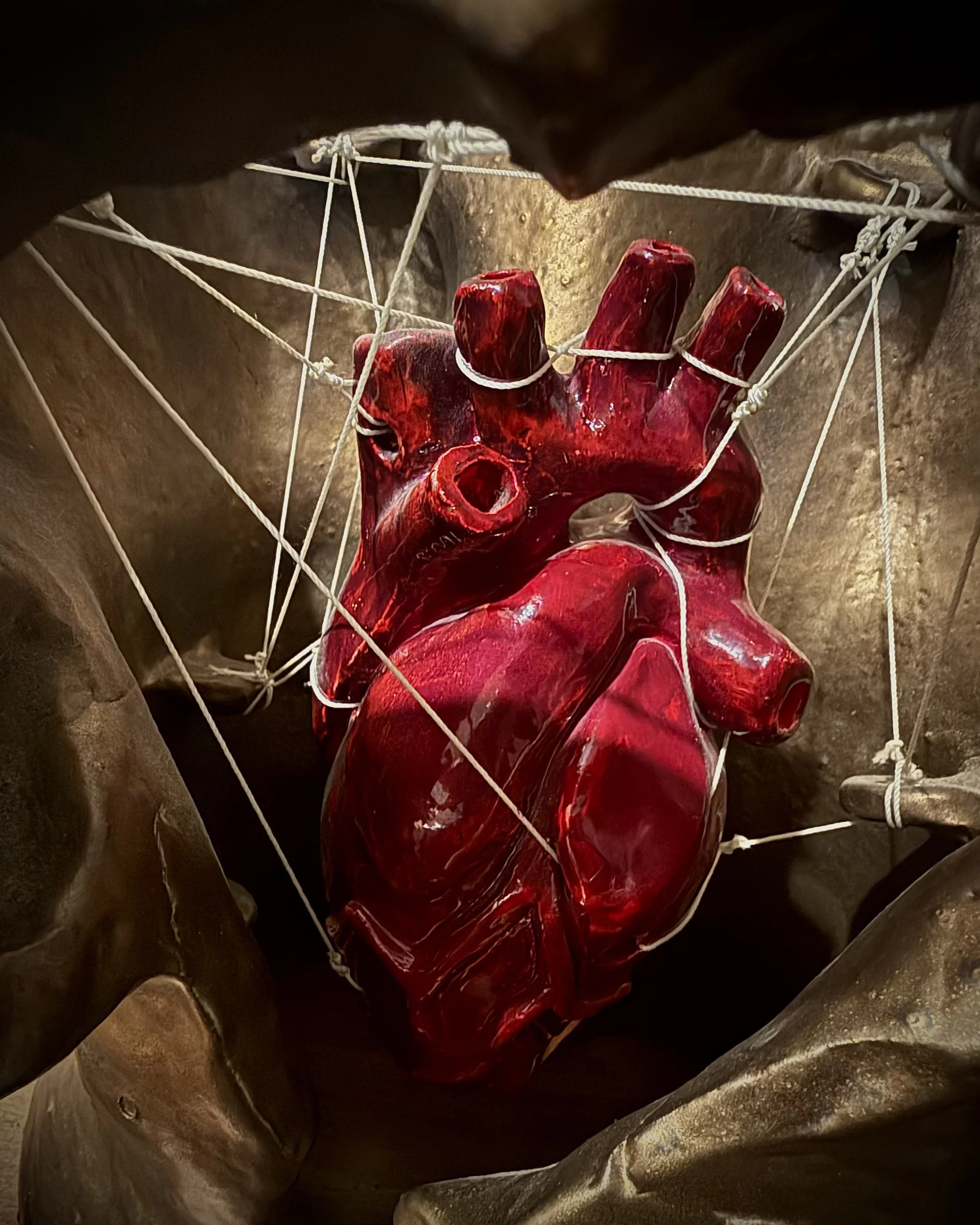
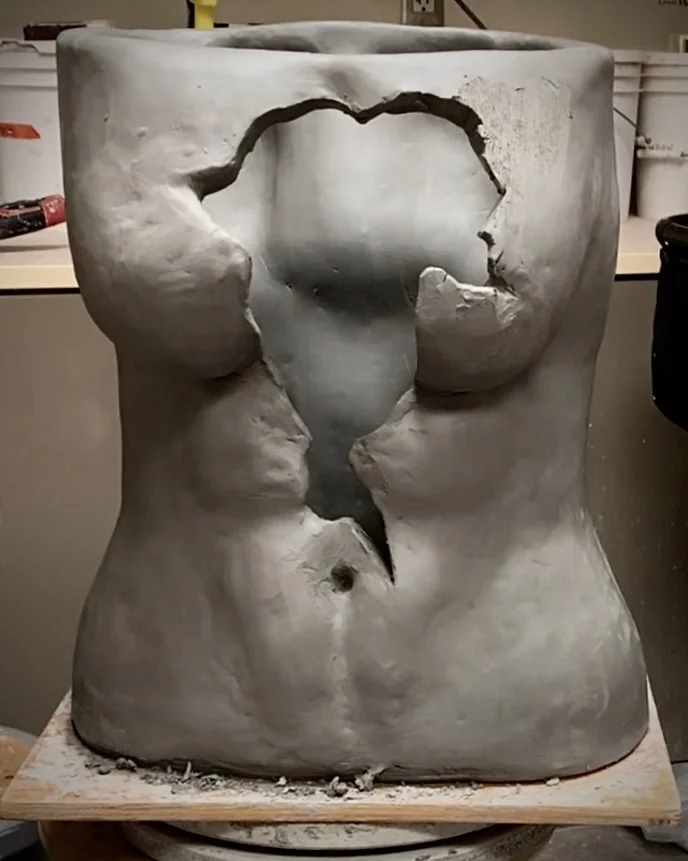
My most significant works were a series of two torsos that I built over approximately 9 months, with the second sculpture extending the narrative of the first. The first torso, titled Anatomical Division, I built to address the destructive nature of love as well as the objectification of women’s bodies. Historically and currently, women are often worshiped more as objects for display and pleasure than they are valued for their autonomy and intellect. Especially in a male-dominated field, there have been situations where I have felt belittled or objectified simply for being a woman.
The first piece displays the composition of an “idealized” female torso: a large chest, visible musculature, warm, golden skin. From a distance, the sculpture appears radiant, but closer inspection reveals marks that society might dub “imperfections,” such as small lines (stretch marks) and bubbling (scars, moles, pimples).
Suspended inside the body is a vibrant red heart, seemingly healthy and even beautiful. However, the heart is only visible because the torso is ruptured. I wanted to physically display that women showing their emotions and vulnerability is something considered weak, destructive, or devalued. The heart becomes exposed, leaving it subject to scrutiny from the public—the deepest parts of a human becoming a spectacle. The heart is held with excessive restraint, turning support into captivity. Its entanglement represents an invitation to look, but restricts its ability to beat and move freely. This work is meant to ask questions about control, personal autonomy, vulnerability, and outward perfection
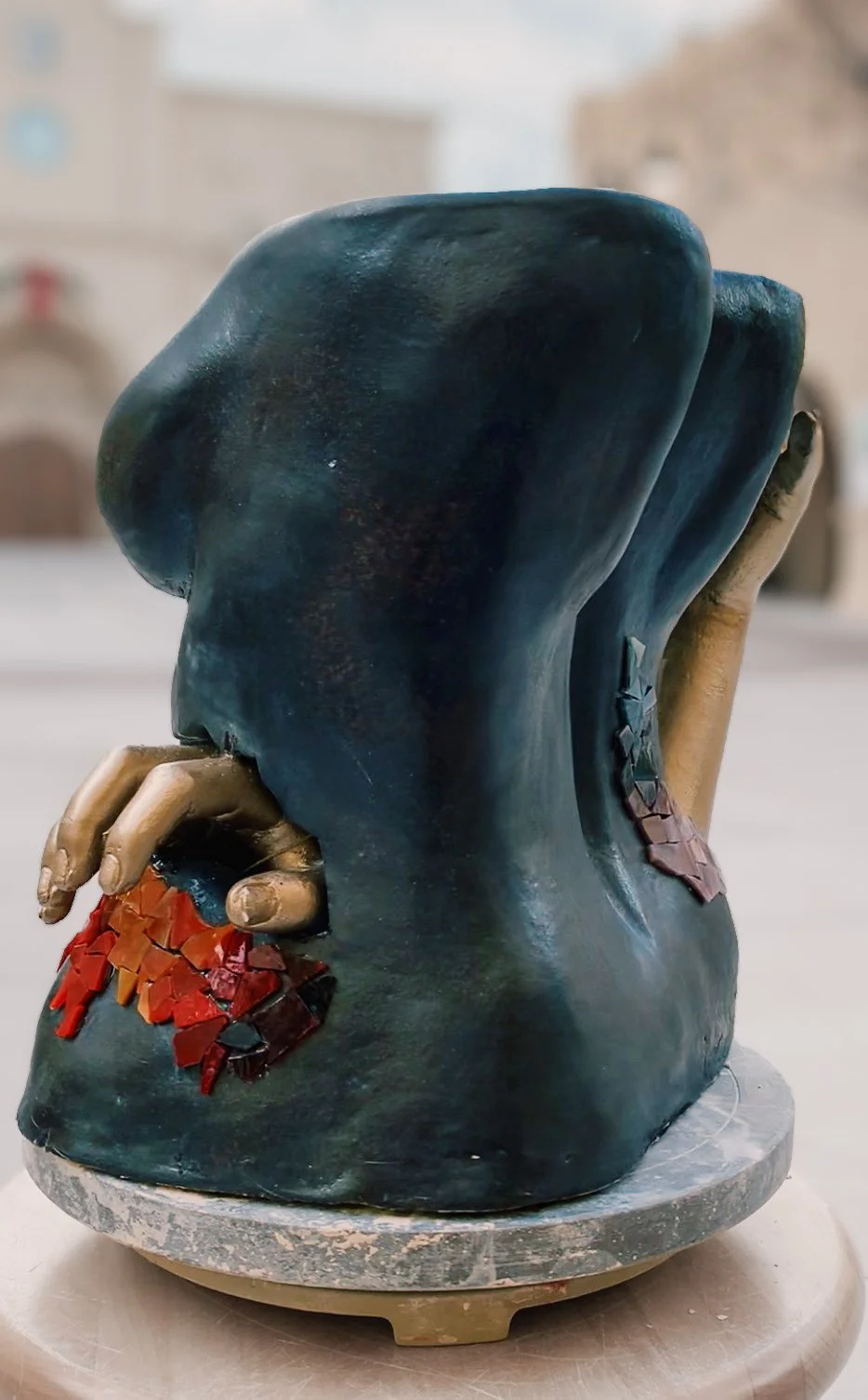
Salvage is the second torso in the series, and carries a message of rebuilding and taking ownership over the body and the self. It uses the same torso form as the first piece and the same glaze. However, the glaze is applied more heavily, dulling the golden appearance and representing “thicker skin”. The surface is not as outwardly radiant, but still equally beautiful in a less society constructed way.
Unlike the first torso, where the interior is exposed through destruction, Salvage generates movement from within. While the chest of the torso has been mended, two golden arms project outward and grasp the body, symbolizing the repossession of self. The arms are my own arms, cast from dental impression rubber, filled with plaster, and painted gold. The gold is significant because it represents radiance from within as opposed to the outward glow of the skin in the first piece. Where the arms contact the external body, shattered glass appears to flow from within and around the contact. The fragments shift color and dimension, not only representing internal beauty flowing outward, but transformation of what used to appear “broken” becoming something captivating and interesting.
Where Anatomical Division shows rupture and restraint, Salvage replaces captivity with agency, movement, and freedom. This piece insists that a woman belongs to herself, and the spectacles' beauty and value are not defined by external appearance or societal approval. What might have appeared broken is proven to be reframed resilient, and power is flowing from within.
Technical Design and Project Description
Anatomical Divison
Salvage
Stained Glass
Stained Glass, Copper, Flux, Patina, Lead Free Solder, Vinyl Printing
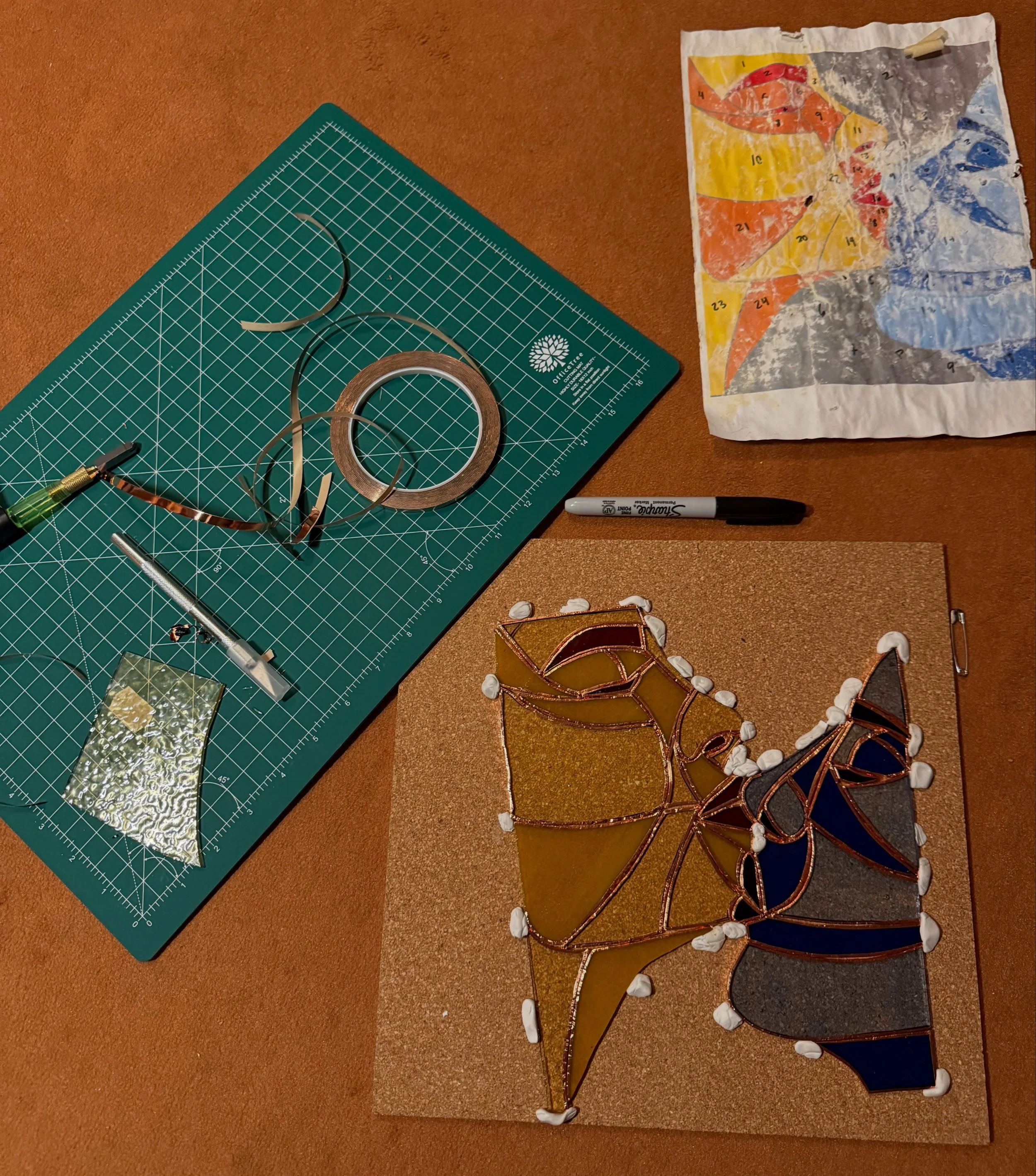
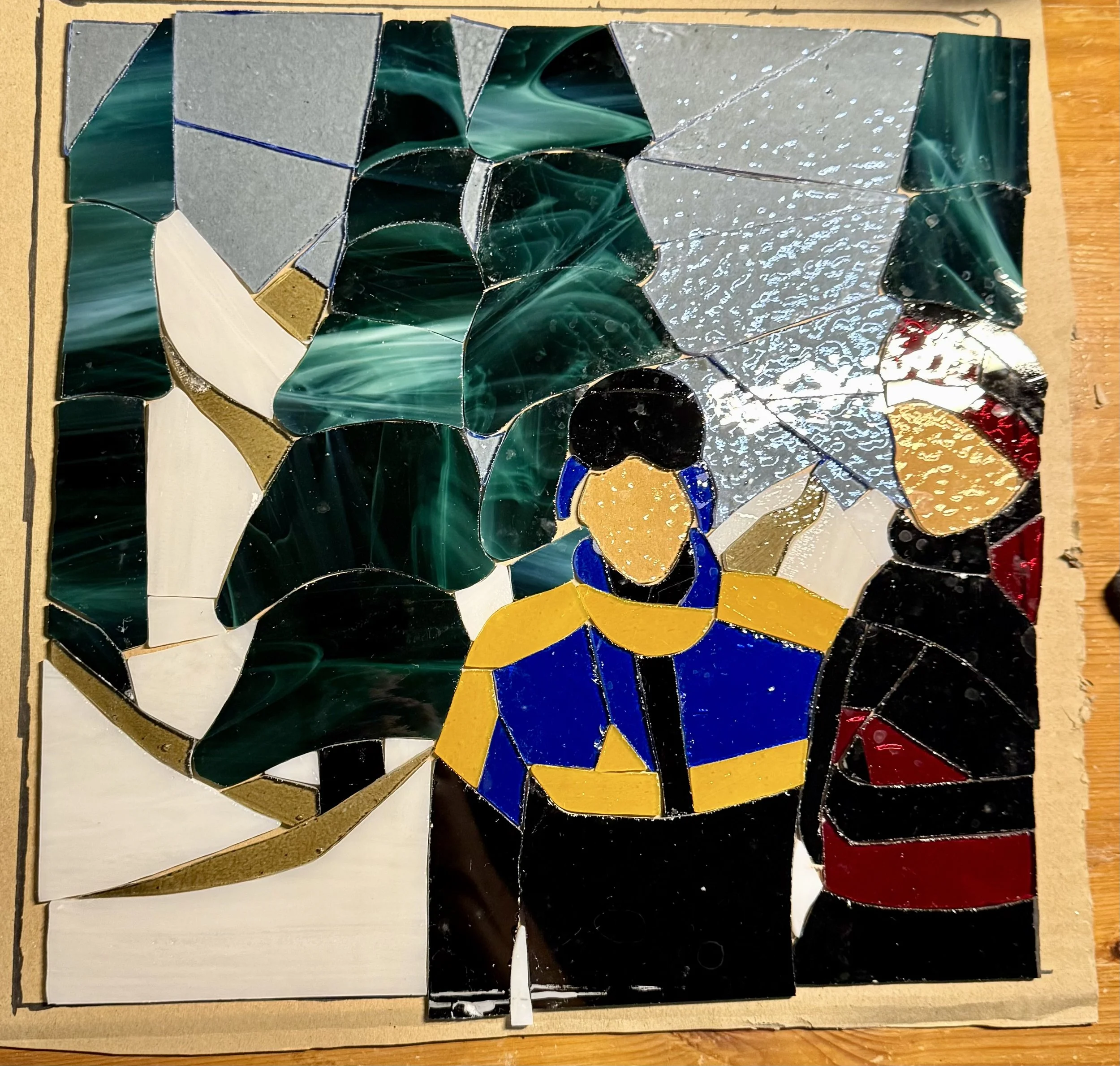
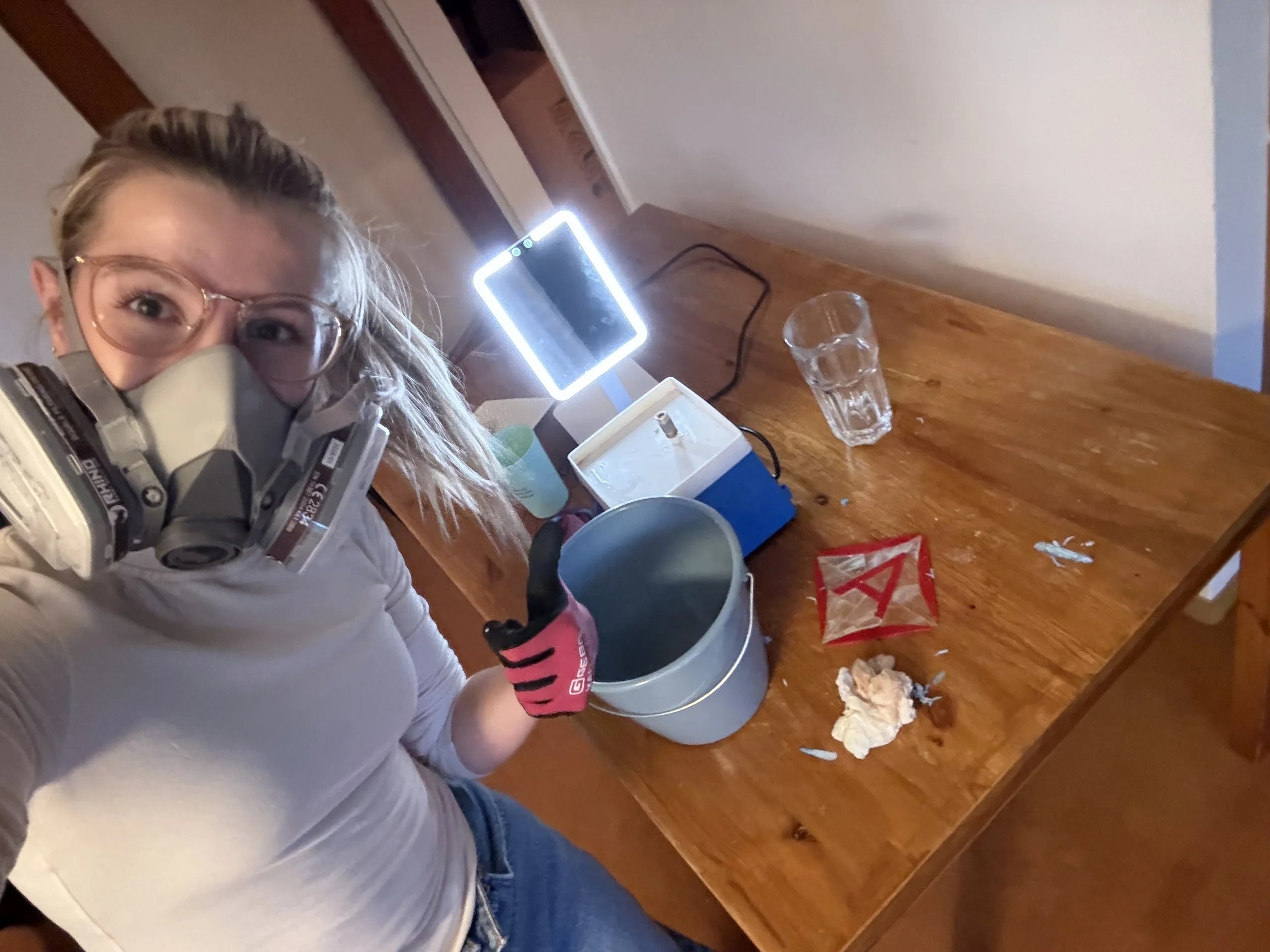
Stained glass is a new but intentional extension of my material practice. After moving to Munich, I began craving an outlet for my creativity and craft, so I built a small stained-glass studio in my apartment, teaching myself the craft from the ground up.
My process is slow and hands-on. I sketch each piece, transfer the sketch to vinyl, cut and shape the glass, wrap edges in copper foil, solder joints, and finish the surface with patina. Building the glass skills has taken lots of trial and error, but has deepened my desire to learn more about working with different materials. It made me realize I like the learning process of working with different materials almost as much as I like the application.
As I continue developing this practice, I’m excited to experiment with light refraction, structure, and technology. While this medium has been more of an exploration of material than a dedication to concept expression, it has made me more comfortable working with unfamiliar processes and encouraged me to keep exploring new tactile forms of art.
Structural Builds
Water and Electrical, Structural Builds, Landscaping

Assistant Barn Manager
2016 - 2020
Stall to Bathroom
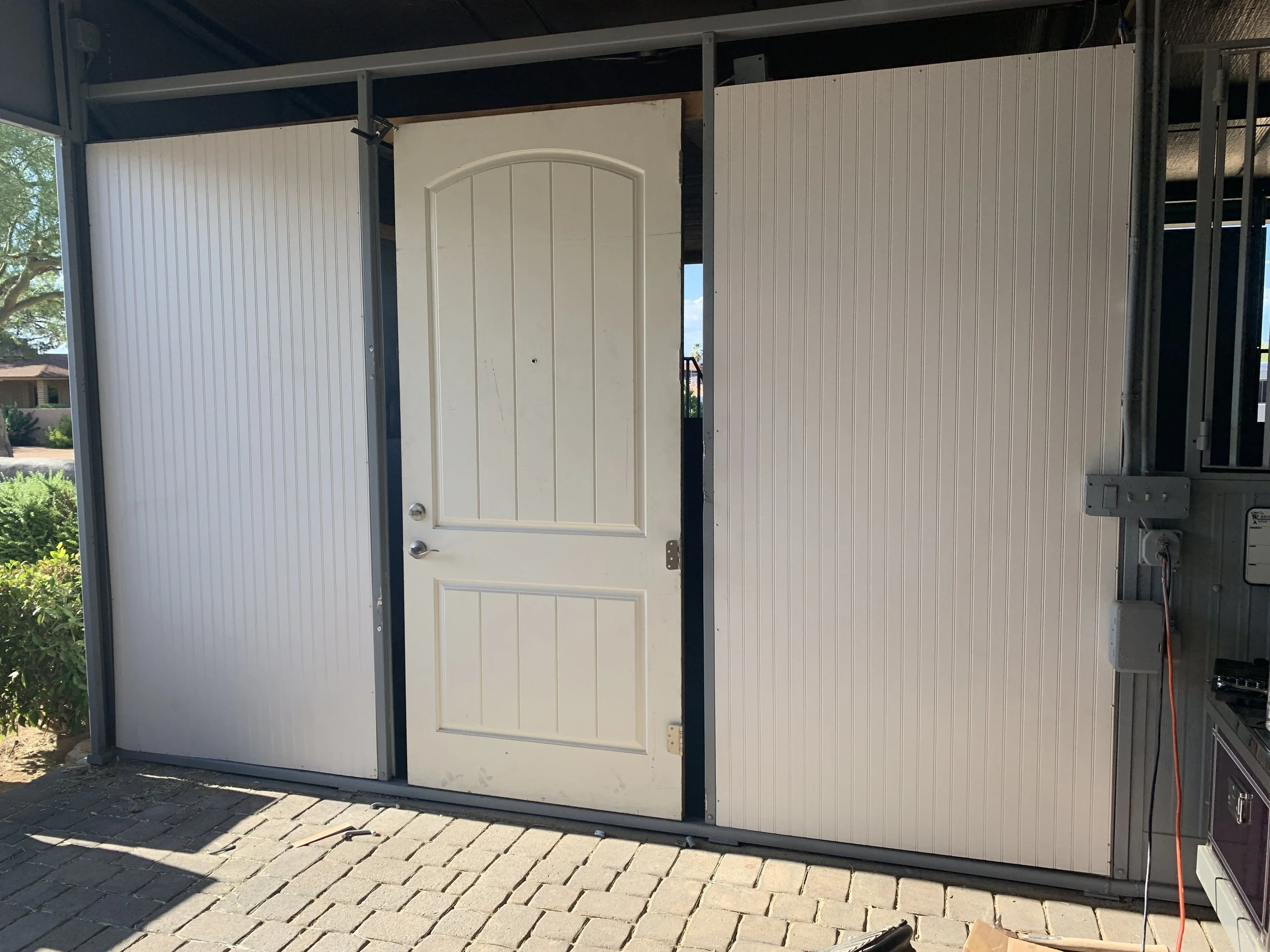
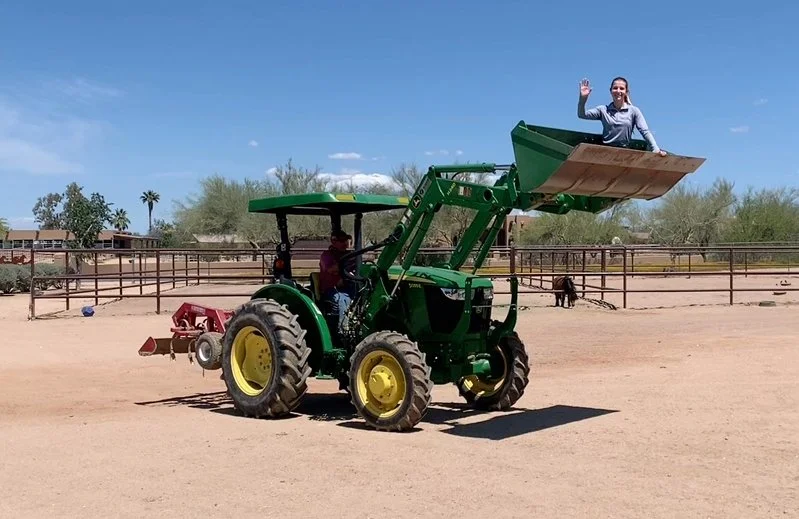
One of my largest projects involved collaborating with two others at the ranch to convert a former horse-stall feed room into a fully functional bathroom. This required constructing a new roof, installing an underground septic line, updating electrical and plumbing systems, leveling and laying appropriate flooring, and reconstructing the walls of the stall while maintaining the structural integirty of the barn. Through this project, I gained experience in planning and sequencing complex builds, coordinating across different trades (structural, electrical, plumbing), sourcing materials under financial constraints, and translating functional requirements into spatial and material decisions. It strengthened my skills in hands-on fabrication, systems thinking, and collaborative problem-solving.
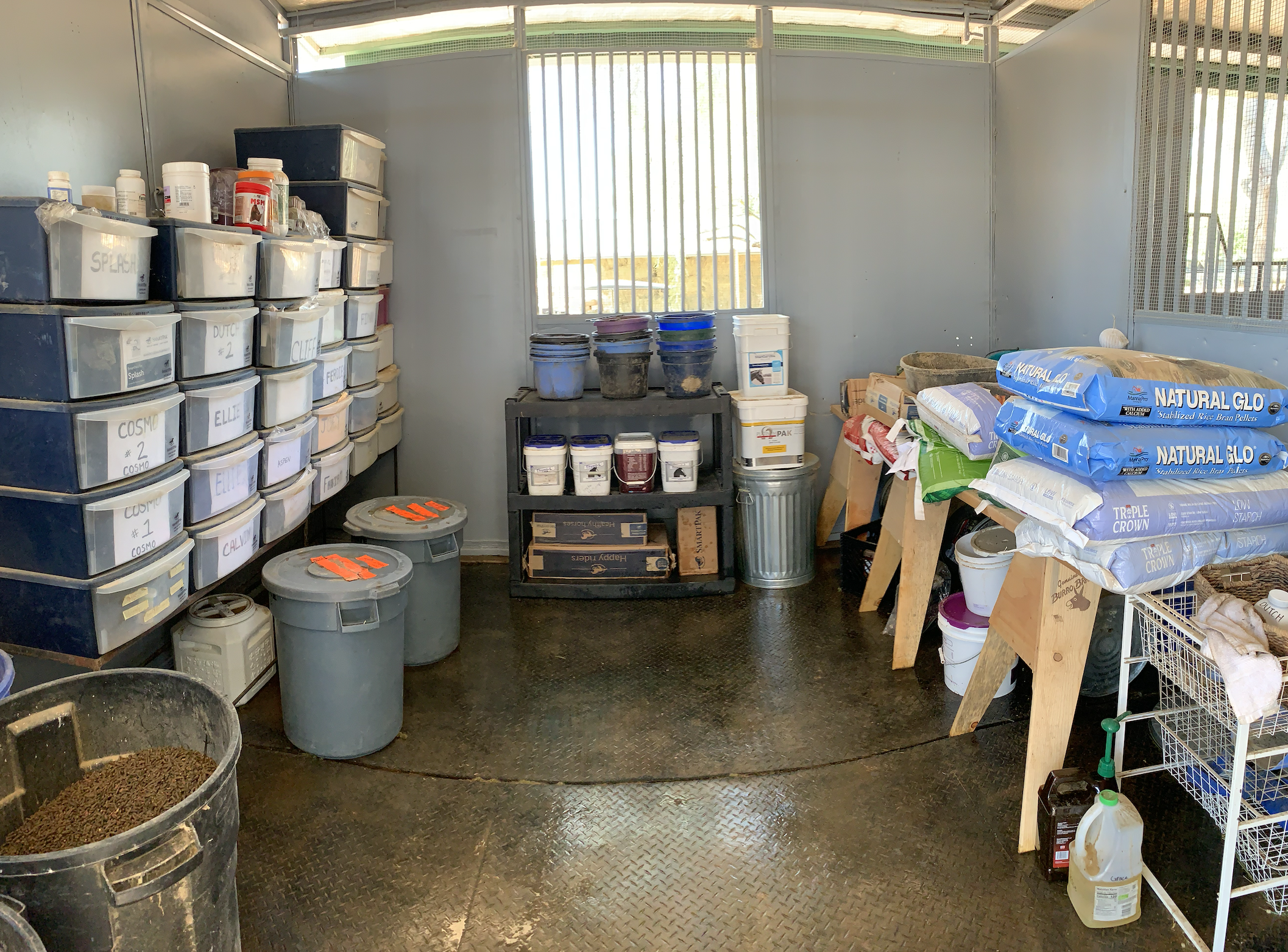
Before
After
During
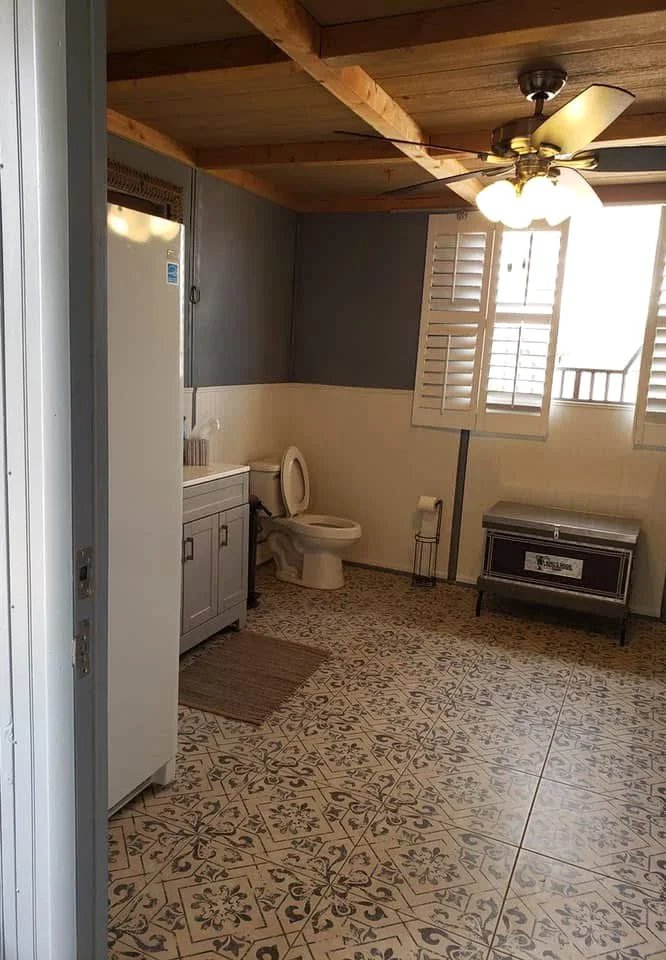
After